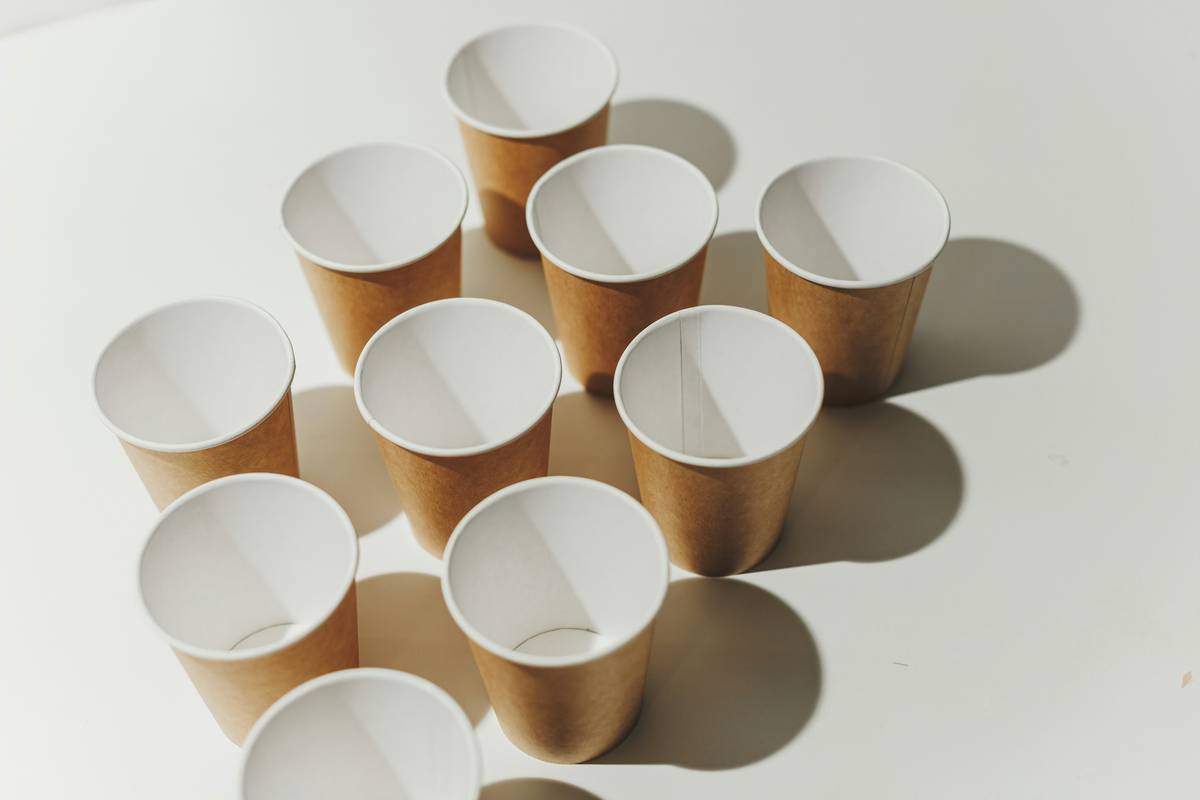
Most “eco friendly plastic cups with lids” aren’t saving the planet—they’re greenwashing it. You buy them thinking you’re doing good. But many end up in landfills anyway, or worse, fragment into microplastics that linger for centuries. And recycling? Don’t count on it. The solution isn’t ditching convenience—it’s choosing the right reusable system that actually lasts.
Why Most Eco Friendly Plastic Cups with Lids Fail the Sustainability Test
They look green. They feel light. They come labeled “BPA-free” and “recyclable.” But here’s the reality: most so-called eco friendly plastic cups with lids are made from #5 polypropylene (PP) or bioplastics like PLA—neither of which gets recycled consistently in municipal systems. PLA needs industrial composters; PP gets tossed if not perfectly clean. Even if they survive one cycle, cracks form fast. Reusability drops after 10–15 uses. That’s not sustainability—it’s delayed waste.
And durability? Forget it. Thin walls warp in dishwashers. Lids lose their seal by week three. You’re back to single-use before you know it.
How to Choose & Use Truly Sustainable Reusable Cups (Step-by-Step)
Picking a cup that *actually* replaces disposables long-term isn’t guesswork. It’s about material science, design intelligence, and user behavior. Follow this guide—and skip the marketing fluff.
Prioritize Material Integrity Over “Biodegradable” Claims
Forget PLA. Go for food-grade stainless steel or borosilicate glass with silicone sleeves. If you must use plastic, demand #5 PP that’s >1.2mm thick—not flimsy stuff that flexes under pressure. Thicker walls = longer life = fewer replacements.
Demand Lid Engineering, Not Just Aesthetics
A leak-proof lid isn’t optional. Look for triple-seal mechanisms: silicone gasket + locking tab + sip-hole cover. Bonus if it’s dishwasher-safe top-rack only—most aren’t, but the good ones withstand repeated cleaning without warping.
Track Your Usage Like a Pro
Mark your calendar: after 30 uses, inspect for scratches, cloudiness, or weakened seals. If it passes, keep going. If not, recycle properly—or better yet, return it to brands with take-back programs. No guilt, just accountability.
| Material Type | Avg. Lifespan (Washes) | Recyclability Reality | Upfront Cost |
|---|---|---|---|
| Standard #5 PP Plastic | 10–20 | Low—often rejected by curbside | $3–$6 |
| PLA Bioplastic | 8–15 | Near-zero without industrial composter | $4–$7 |
| Stainless Steel w/ Silicone Lid | 500+ | Metal fully recyclable; silicone often not | $18–$28 |
| Borosilicate Glass + Flip Lid | 200+ (if not dropped) | Glass widely recyclable | $20–$32 |
The Industry Secret: Most “Eco” Cups Are Designed to Break—On Purpose
Here’s what no brand admits: planned obsolescence lives in the reusable space too. Some manufacturers intentionally thin out walls or use cheaper polymers so cups degrade faster—keeping you buying replacements yearly. One former product designer told me, “We tested lids to fail at month four. Customers think it’s their fault. They don’t return. They just reorder.”
But there’s hope. A handful of B Corp-certified companies now publish third-party durability reports and offer lifetime warranties. Seek those out. Transparency is the new sustainability.

Frequently Asked Questions
Can eco friendly plastic cups with lids go in the dishwasher?
Only if explicitly labeled “dishwasher-safe.” Most warp in high heat. Hand-wash with mild soap to extend life.
Are bioplastic cups compostable at home?
No. PLA requires 140°F+ and 90% humidity—conditions only industrial facilities provide. Home composts won’t break them down.
How many times must I reuse a cup to beat a disposable?
Just 8–12 uses for plastic reusables. For stainless steel? Around 25. After that, your carbon footprint per use drops below paper or plastic.