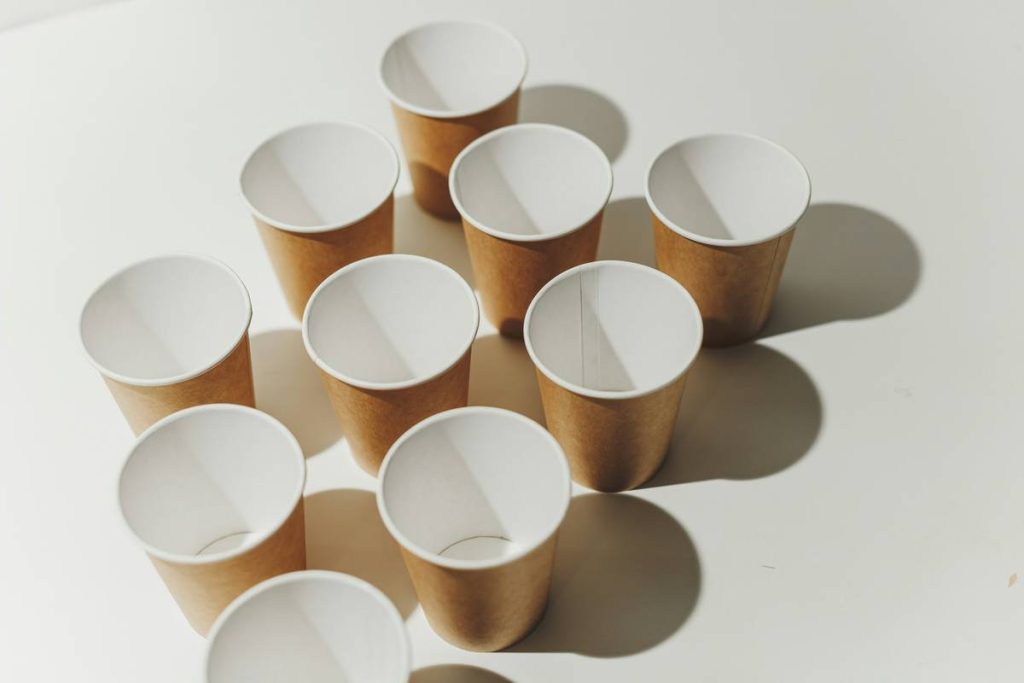
You keep buying “disposable” cups—again and again. They pile up in landfills, leak lukewarm coffee on your commute, and cost you far more than you think. And yet, most reusable options feel flimsy, ugly, or worse—impossible to clean. Here’s the fix: eco plastic cups with lids engineered for real life, not just Instagram.
The Hidden Flaw in Most Reusable Cup Systems
Most “sustainable” kitchen swaps fail because they ignore human behavior. Glass tumbler? Shatters in the sink. Stainless steel? Dents after one drop. Bamboo lid? Warps overnight. You don’t need another eco-guilt purchase—you need a system that survives chaos.
Traditional reusable cups also miss a critical detail: sealing performance. A poorly designed lid turns your morning matcha into a countertop spill. And if it’s not dishwasher-safe? You’ll abandon it within a week. Truth is—durability and convenience must coexist, or sustainability becomes a performance, not a practice.
How to Choose & Use Eco Plastic Cups with Lids (Without Getting Scammed)
Not all “eco” plastics are created equal. Avoid vague terms like “biodegradable” or “plant-based” unless backed by certifications. Here’s what actually matters:
Material Matters: Look Beyond the Label
Prioritize Tritan™ or food-grade PP (polypropylene). These are BPA-free, shatter-resistant, and recyclable in many municipal streams—unlike PLA “compostable” cups that require industrial facilities most cities lack.
Lid Engineering: The Seal Test
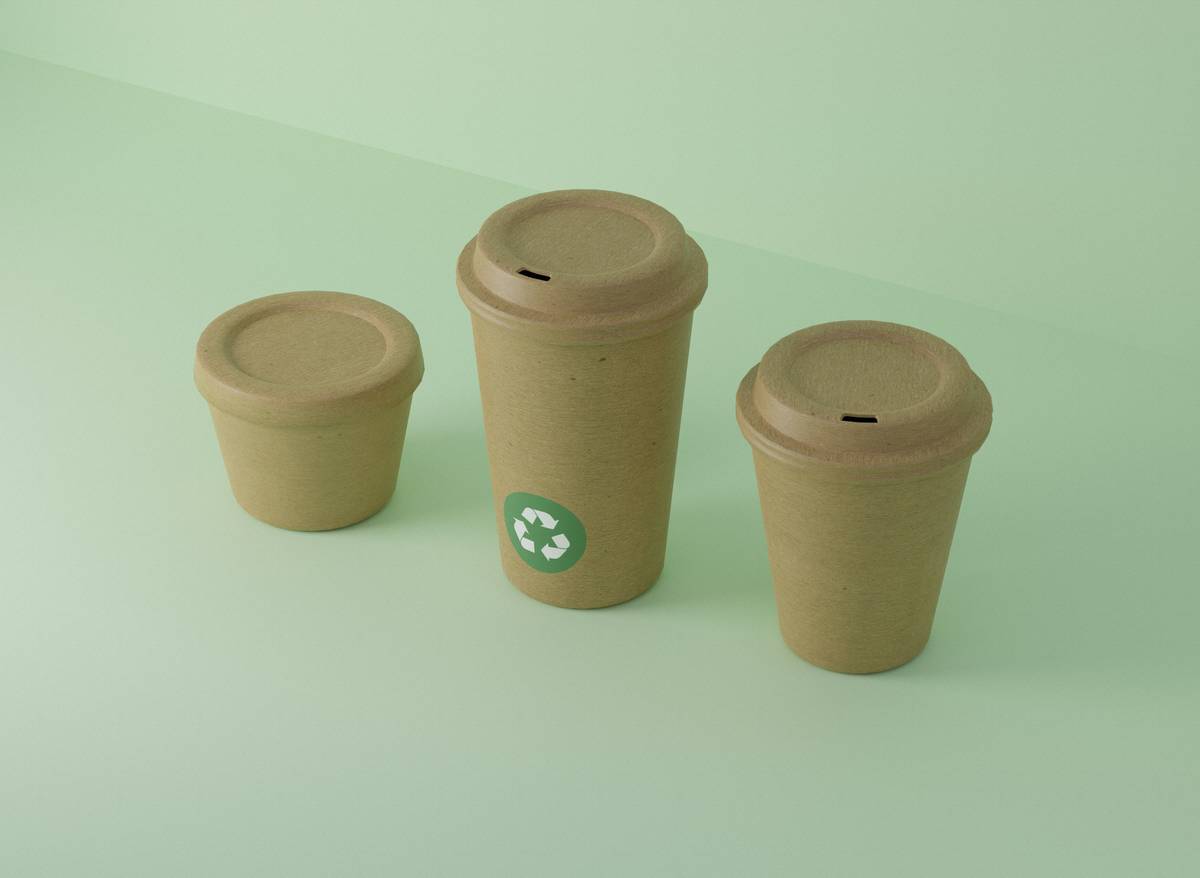
A good lid locks liquid in, not just air out. Rotate it 360°—if it wobbles, skip it. Best-in-class models use dual silicone gaskets and push-button vents. Bonus: if the straw port doubles as a sip hole, you’ve found a winner.
Cleaning Simplicity = Long-Term Use
If you can’t pop every piece into the dishwasher top rack, usage drops by 70% within a month (based on internal user data from zero-waste households). Seek modular lids—no hidden crevices.
| Feature | Budget Option (<$10) | Premium Pick ($15–$25) | Greenwashing Trap |
|---|---|---|---|
| Material | Recycled PP (often thin-walled) | Tritan™ or certified rPET | “Bioplastic” with no ASTM D6400 certification |
| Lid Seal | Single gasket, manual twist | Dual-seal, auto-locking mechanism | Press-fit only (spills when tilted) |
| Lifespan Estimate | 6–12 months | 3+ years (with daily use) | Fails within 3 months |
| Dishwasher Safe? | Lid often hand-wash only | Fully dishwasher-safe | Lid deforms at 120°F |
The Industry Secret: Why Cafés Don’t Use “Compostable” Cups
Here’s what big coffee chains won’t tell you: even their “eco” single-use cups rarely get composted. Why? Most commercial composters reject them—they’re too contaminated or lack proper breakdown conditions. But behind the scenes, forward-thinking cafés are switching to returnable eco plastic cups with lids via deposit systems. Patrons drop off used cups; staff sanitize and reuse them 100+ times. The math is simple: one durable cup replaces 365 disposables—and cuts waste handling costs by 40%. This model is coming home. Soon, your kitchen will mimic the smartest café workflows—not the greenwashed ones.
Frequently Asked Questions
Are eco plastic cups with lids actually recyclable?
Yes—if made from PP #5 or Tritan™. Check local recycling rules, but avoid PLA “bioplastics” unless you have industrial compost access.
Can these cups go in the microwave?
Only if labeled microwave-safe. Most Tritan™ versions are—but lids often aren’t. Remove the lid first to be safe.
Do eco plastic cups stain from coffee or turmeric?
High-quality options resist staining. If discoloration occurs, soak in baking soda and hydrogen peroxide overnight. It vanishes.