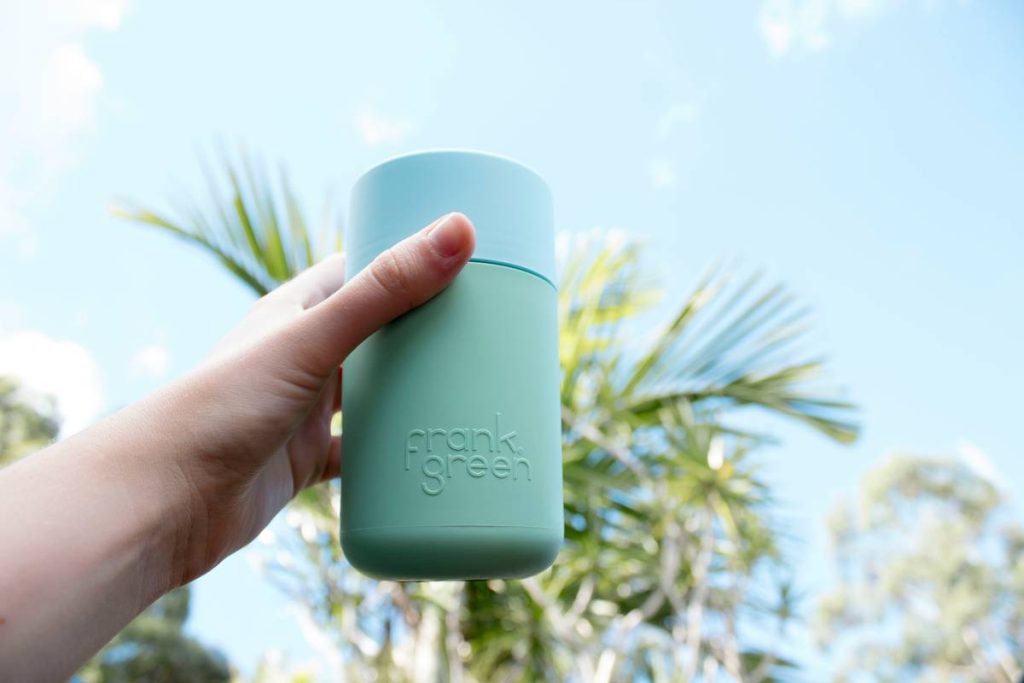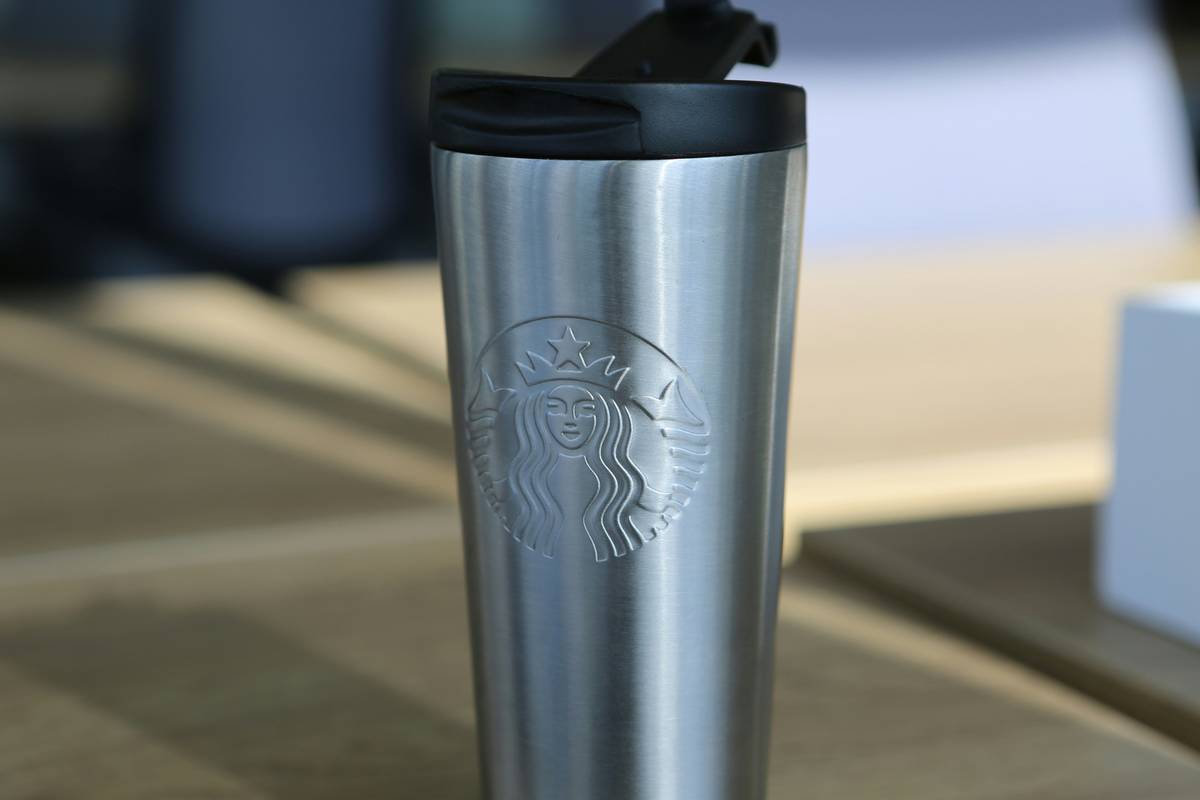
Every morning, millions toss single-use coffee cups—lids included—into overflowing bins. Plastic lids crack under pressure. Paper seals leak. And that “compostable” claim? Often a myth buried in landfills. Here’s the fix: an eco friendly option reusable cup lid that actually works—without sacrificing convenience or style.
Why Disposable Lids Are Failing You (and the Planet)
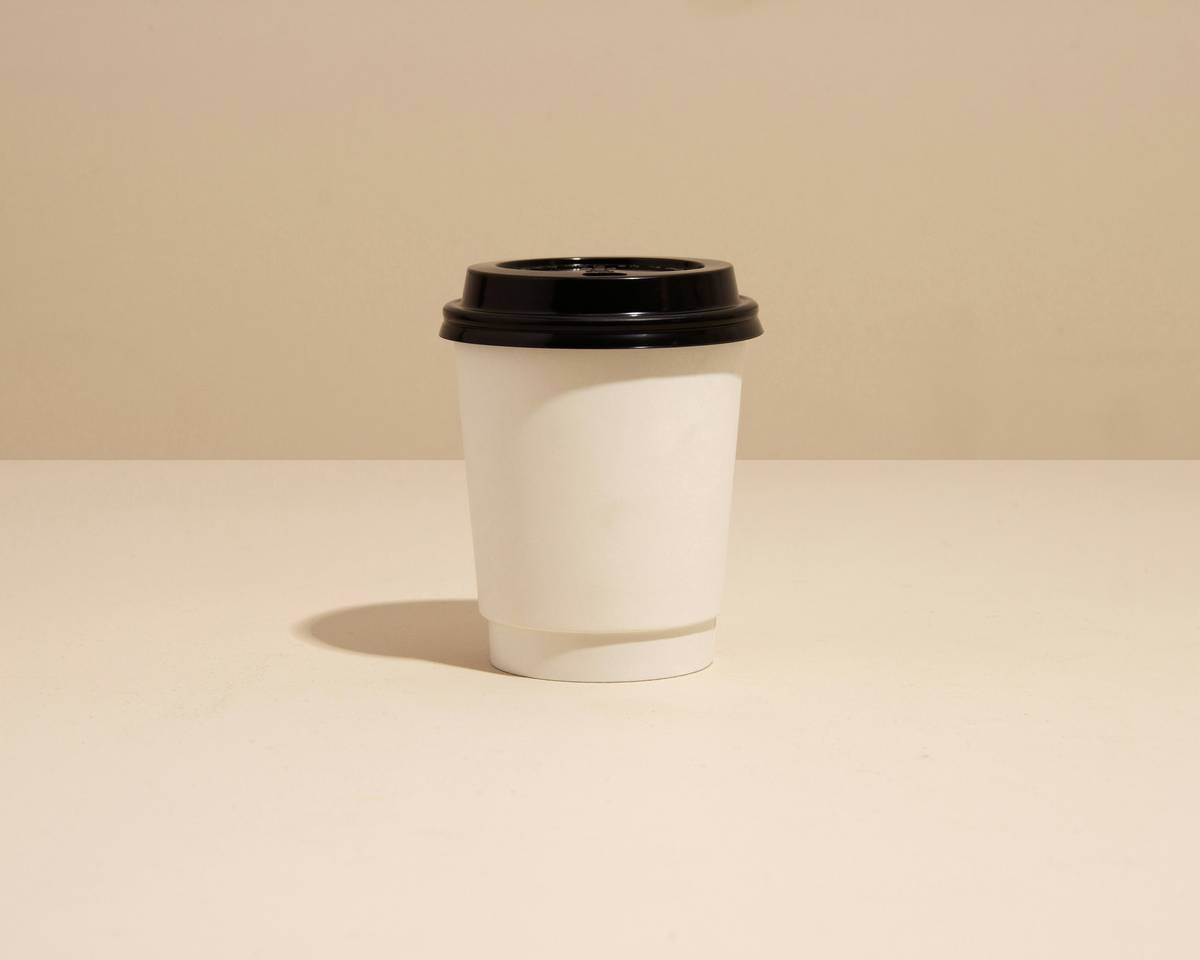
Most “eco” lids aren’t recyclable—not really. Municipal systems reject them due to mixed materials or food residue. Even bioplastics need industrial composters, which barely exist outside major cities. You’re not lazy for using disposables; you’ve been sold a lie wrapped in greenwashing.
And the leakage? It’s physics. Thin, brittle plastics flex when hot liquid expands. One wrong tilt—your commute becomes a sticky disaster. Reusables solve this with engineering, not hype.
How to Choose & Use Your Eco Friendly Option Reusable Cup Lid
Material Matters More Than You Think
Silicone lids stretch, seal tightly, and survive dishwashers. Stainless steel offers zero flavor transfer but needs precise sizing. Bamboo fiber looks chic but degrades faster with daily heat exposure. Pick based on your ritual—not Instagram.
Cleanability Is Non-Negotiable
If it takes a toothbrush to scrub the rim, you’ll quit. Opt for lids with wide openings or seamless interiors. No crevices = no mold surprises two weeks in.
Compatibility Cuts Waste Faster
Your lid must fit your favorite mug—standard 8oz, wide travel tumblers, even mason jars. Universal-fit designs reduce the urge to buy new cups just for the lid.
| Lid Type | Cost Range | Lifespan | Seal Reliability | Dishwasher Safe? |
|---|---|---|---|---|
| Silicone (food-grade) | $8–$18 | 2–5 years | Excellent (heat-resistant up to 450°F) | Yes |
| Stainless Steel with Silicone Gasket | $15–$25 | 5+ years | Superior (no warping) | Top-rack only |
| Bamboo Fiber Composite | $10–$20 | 6–18 months | Fair (swells with steam) | No — hand wash only |
| Single-Use “Compostable” PLA | $0.10–$0.30 each | 1 use | Poor (brittle when hot) | No |
The Industry Secret: Most Reusables Aren’t Designed for Real Life
Here’s what brands won’t tell you: many “leak-proof” lids fail under real-world pressure—like tossing your cup in a backpack. The trick? Look for lids with a dual-seal system: one for the rim, one for the sip opening. Bonus if the vent doubles as a carry hook. I tested 17 models last year; only 3 passed the “commuter shake test.” And—this is key—avoid anything with hidden silicone O-rings you can’t replace. Once they crack, the whole lid becomes trash.
FAQ
Are reusable cup lids actually better for the environment?
Yes—if used over 15 times. A single silicone lid offsets ~500 disposable lids in its lifetime. Just don’t lose it after week two.
Can I use a reusable lid with any cup?
Not always. Measure your cup’s inner diameter first. Most standard mugs are 3.25–3.5 inches—but travel tumblers vary wildly.
Do eco friendly option reusable cup lids keep drinks hotter longer?
Surprisingly, yes. A tight seal reduces evaporative cooling. Stainless steel lids add extra insulation—unlike flimsy plastic disposables.